
Modernizing Caltrans' Automated Safety Warning System
For my senior project at Sacramento State, I led a team of 8 developers on a project with Caltrans: modernizing the Automated Safety Warning System that helps keep winter roads safe.
The Problem
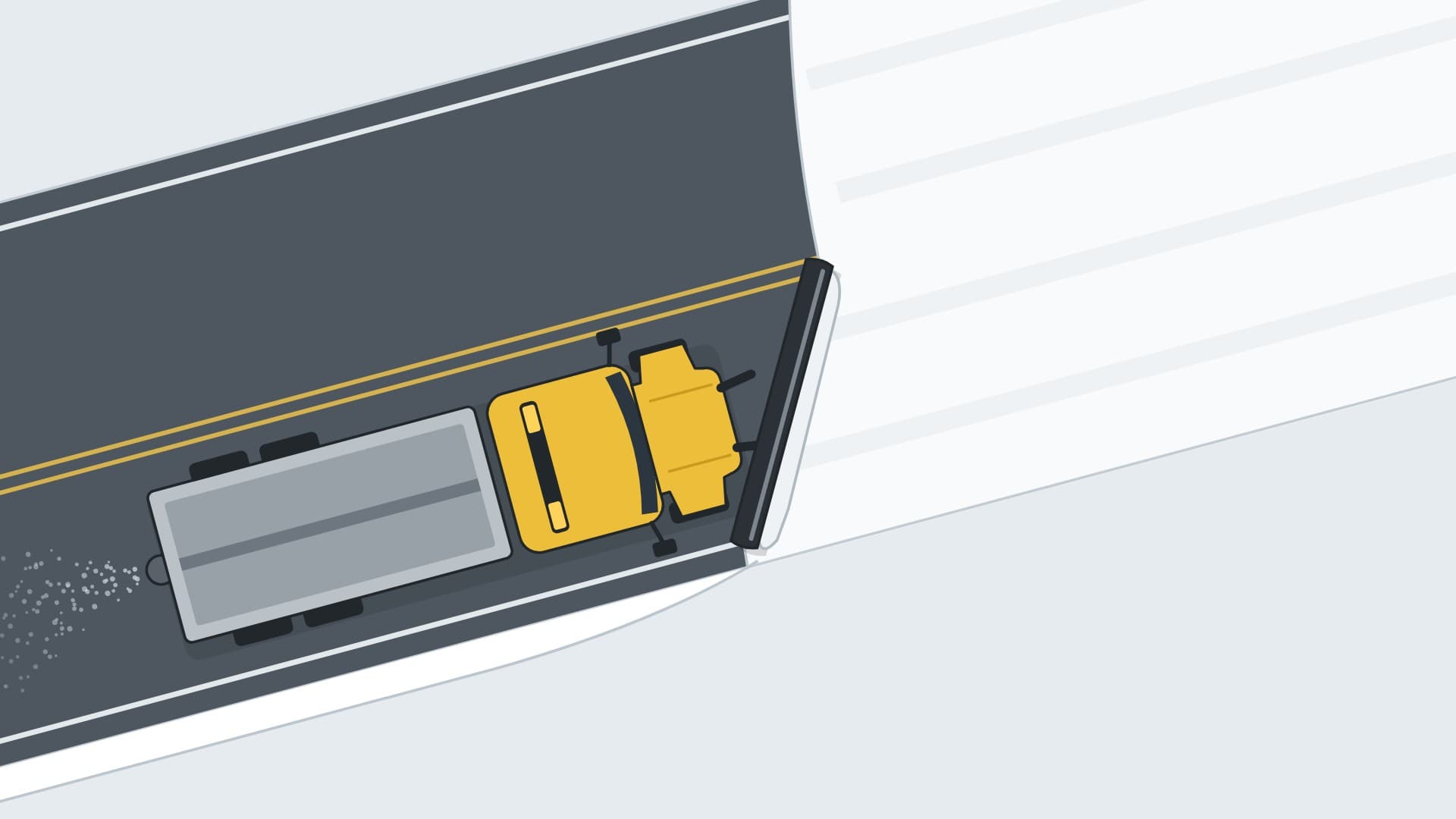
When a storm hits, snowplow crews need to know where to spread deicer and how much. When we started, the data that drove those decisions lived in two separate state-level traffic systems. Getting real-time, localized instructions to the crews in the field meant connecting those systems and delivering the right information to each plow.
What We Built
We architected the integration of the two traffic systems so they could feed a single pipeline for sending real-time, localized deicing instructions to snowplows. It was projected to save Caltrans millions of dollars every year.
- A secure V2X pipeline. Our pipeline used vehicle-to-everything (V2X) communication to carry the instructions from roadside systems to the plows. It ran across a 5-machine embedded system.
- Reverse-engineering legacy code. Part of the existing system was a Python 2.7 application. We reverse-engineered how it worked so we could modernize it without losing what it already did.
- Following international standards. Data transmission followed IEEE and SAE standards for connected vehicles, so the system could work with existing equipment.
Tools
We built it with C++ and Python on Linux, and we managed the work in Jira and GitHub.
My Role
As team lead, I coordinated 8 developers, helped shape the system's architecture, and worked directly on the communication pipeline. Leading a team this size on a real client project taught me a lot about planning, communication, and making sure everyone's work fits together.
More details coming soon.